FAQs: Answers to the most asked questions
Are you planning a professional headshot and you’re not sure where to start? These are the questions (and answers) that clients ask me most often before their session. Essentially, all the top professional headshot photo tips you need!
The best clothes for a professional headshot are well-fitting, timeless pieces in solid colours that reflect how you normally show up for clients. Avoid busy patterns and distracting logos, as these can draw attention away from your face.
What to wear for a professional headshot:
- Wear solid, mid-tone colours.
- Avoid busy patterns and small stripes.
- Pick well-fitting, structured clothing.
- Stick to timeless styles.
The most important thing is that you feel comfortable and confident. When your clothing aligns with your personality, industry and brand, your headshot will feel more authentic and professional.
For a more detailed answer, check out this blog post here:

For a professional headshot, it’s best to avoid wearing clothing that distracts from your face or doesn’t reflect how you normally present yourself to clients. Busy patterns, overly bright colours and poorly fitting clothes can pull attention away from you. The goal is a clean, timeless look that keeps the focus on your expression and personality.
What to avoid wearing for a professional headshot:
- Busy patterns or tiny stripes that distract the eye.
- Clothing close to your skin tone, which can make your face blend into your outfit.
- Clothes that are too tight or too baggy as a poor fit is very noticeable in photos.
- Low-cut tops or overly revealing styles, which can draw attention away from your face.
- Large logos or graphics that compete with the purpose of the photo.
- Trend-heavy fashion pieces that may quickly date your headshot.
A professional headshot works best when your clothing supports the image you want to project without dominating the photo. Simple, well-fitting and timeless outfits keep the attention exactly where it should be: on you!
For further reading before your professional headshot, check out this tips blog post here:
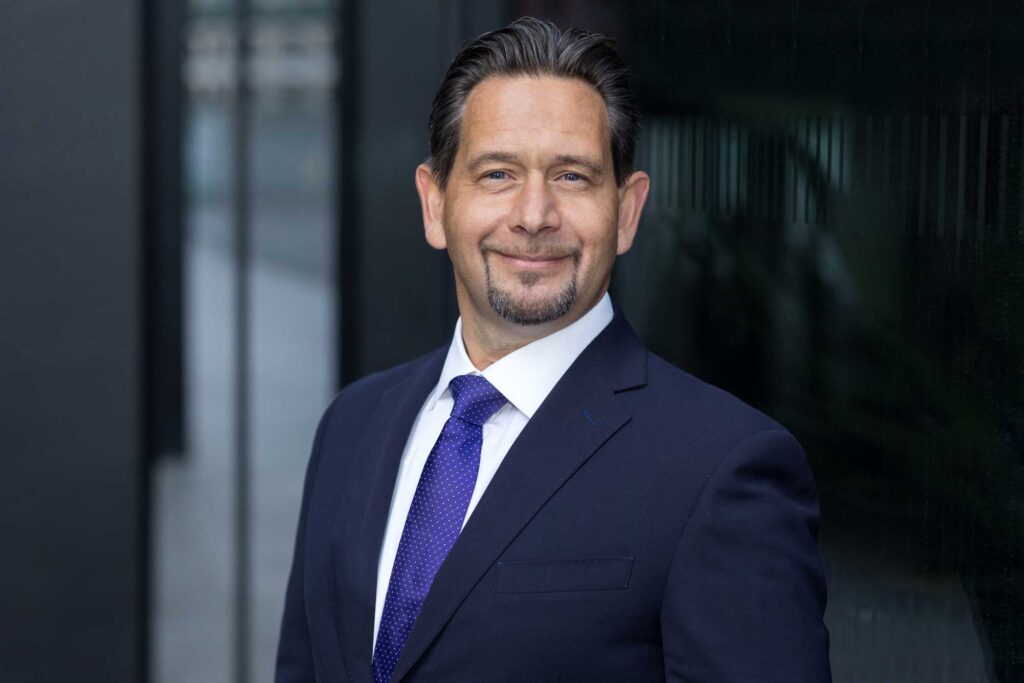
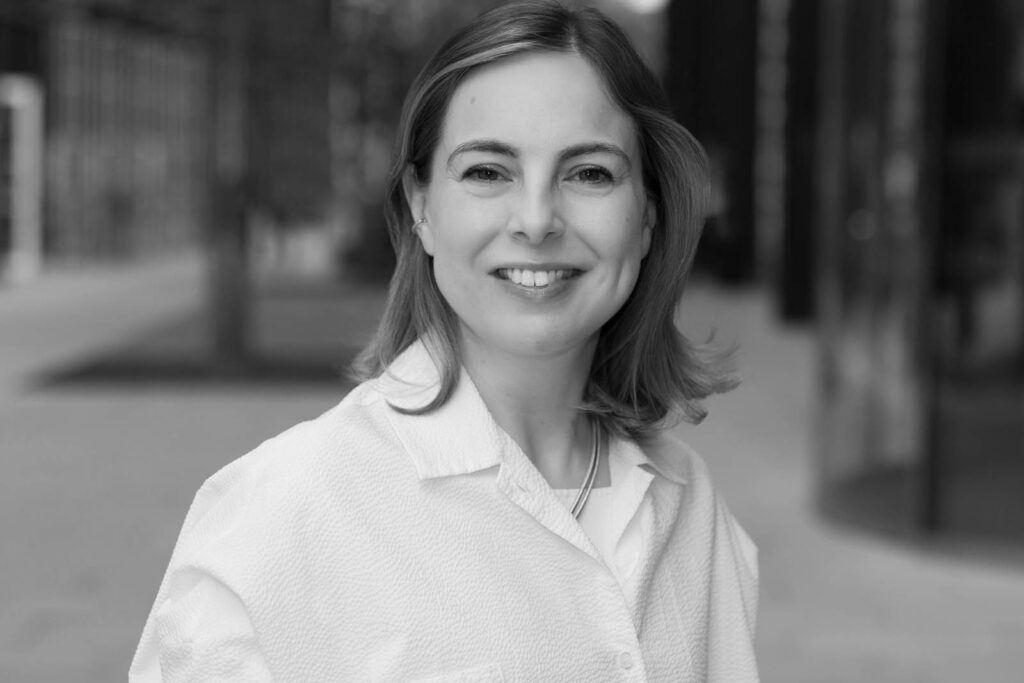
Simple, well-fitting and timeless outfits keep the attention exactly where it should be.
Choosing the right colour for your professional headshot can make you look more confident, radiant and aligned with your personal brand. Colours that complement your skin tone, hair and eyes help your features stand out and make your photo more flattering overall. Mid‑tone solids tend to photograph best.
Best colours to wear for a professional headshot:
- Solid mid‑tone colours such as deep blues, emerald green, ruby or sapphire.
- Rich neutral shades like navy, charcoal grey, burgundy or deep brown.
- Colours that complement your complexion, warm tones (olive, terracotta) for warm skin tones, cool tones (lavender, icy blue) for cool skin tones.
- Colours that match your eyes can draw attention and make your gaze pop in the photo.
- Subtle brand colours; small accent colours that align with your brand, can create visual cohesion across your marketing.
This article goes into more depth about what colours work well for professional headshots:
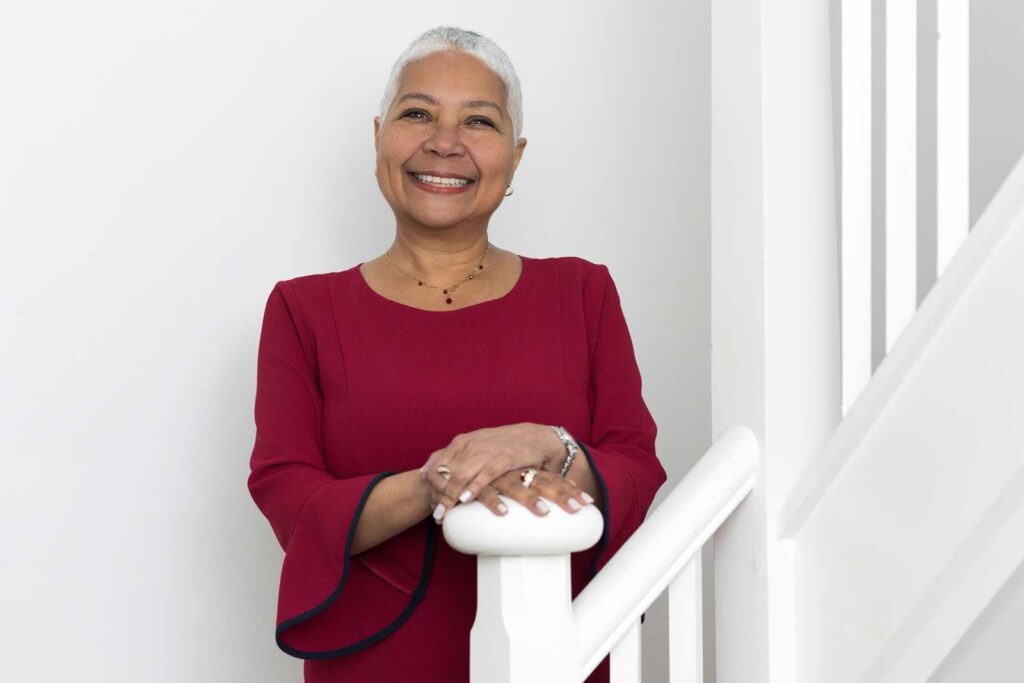
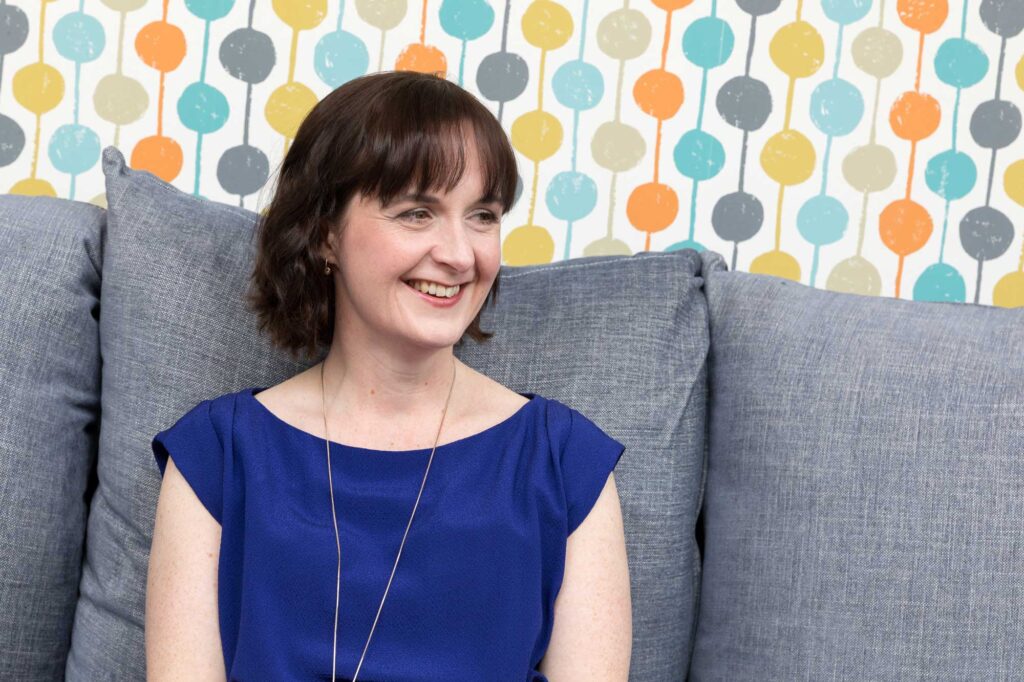
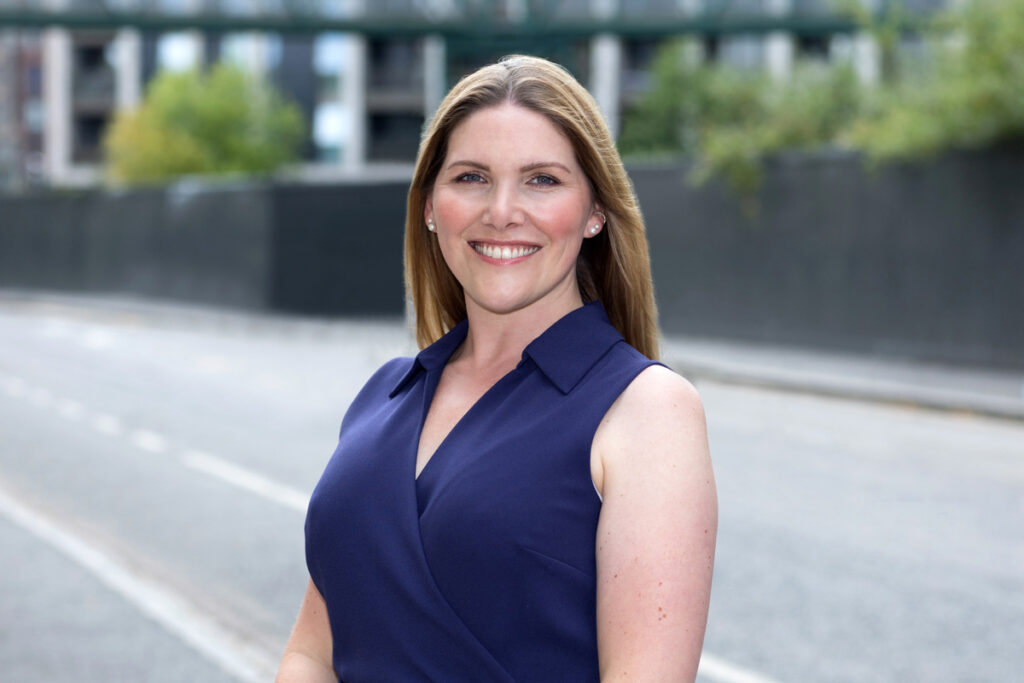
Solid mid‑tone colours such as deep blues, emerald green, ruby or sapphire tend to photograph well.
Some colours can be distracting or unflattering in photographs, especially under studio lighting. Very bright shades, colours that closely match your skin tone, or overly dark tones can affect how light reflects in an image. For professional headshots, it’s usually best to choose colours that create contrast with your skin tone and keep the focus on your face.
Colours that don’t photograph well in professional headshots:
- Neon or very bright colours can reflect onto your skin and overpower the image.
- Colours that closely match your skin tone can make you look washed out.
- Pure black outfits can sometimes lose detail under studio lighting.
- Extremely bright white can reflect light and draw attention away from your face.
- Highly reflective fabrics or metallic colours that bounce light back to the camera.
- Busy colour combinations that compete with your expression.
The most flattering headshot colours tend to be mid-tone, solid shades that complement your skin tone and allow your face, eyes and expression to remain the focus of the image.

The most flattering headshot colours tend to be mid-tone, solid shades.
Black can work for professional headshots, but it needs to be chosen carefully. While black clothing often looks classic and professional, very dark tones can sometimes lose detail in photos or blend into darker backgrounds. In many cases, softer dark neutrals such as navy, charcoal or deep green photograph better while still creating a polished, professional look.
Tips for wearing black in a professional headshot:
- Choose textured or layered black clothing (such as a jacket over a top) to add depth.
- Pair black with a different coloured layer to avoid the image looking too dark.
- Make sure there is contrast between your clothing and the background.
- Consider dark alternatives like navy, charcoal or deep jewel tones.
- Avoid very flat fabrics that can absorb light and lose detail.
- If black suits your brand or style, keep the fit sharp and structured.
Black can still work well in a headshot, particularly for more corporate or minimalist branding. The key is ensuring there is enough contrast and texture so the image feels polished rather than flat.
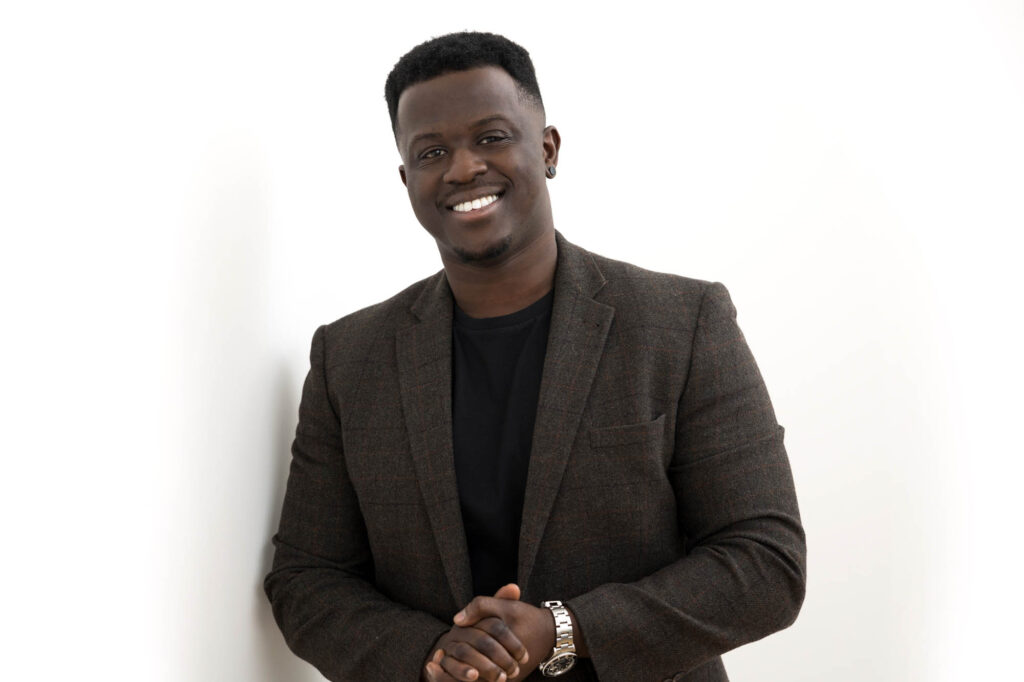
Layered black clothing, such as a jacket over a top, adds depth.
I recommend bringing two to three outfit options to a headshot session. This gives you enough variety to create different looks without overcomplicating the shoot. Small changes, such as adding or removing a jacket, can create a fresh look while still keeping the focus on you and your professional image.
How many outfits to bring for a professional headshot*:
- Bring 2–3 outfit options to add variety without overwhelming the session.
- Choose different colours or layers (for example, a jacket and a top).
- Keep outfits consistent with your brand and industry.
- Make sure everything fits well and is comfortable to wear.
- Consider one slightly more formal look and one more relaxed look.
Having a couple of carefully chosen outfits allows you to create a small set of images that work across different platforms, from LinkedIn and your website to social media and press features, while still looking cohesive and professional.
*Answer based on my Premium or Ultimate headshot packages.
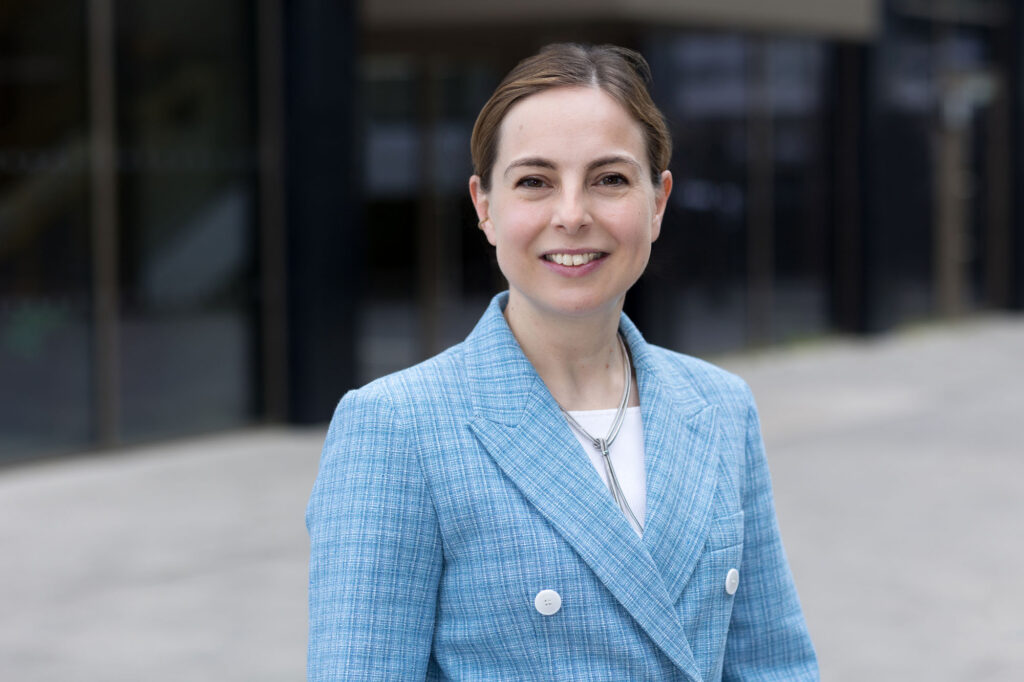
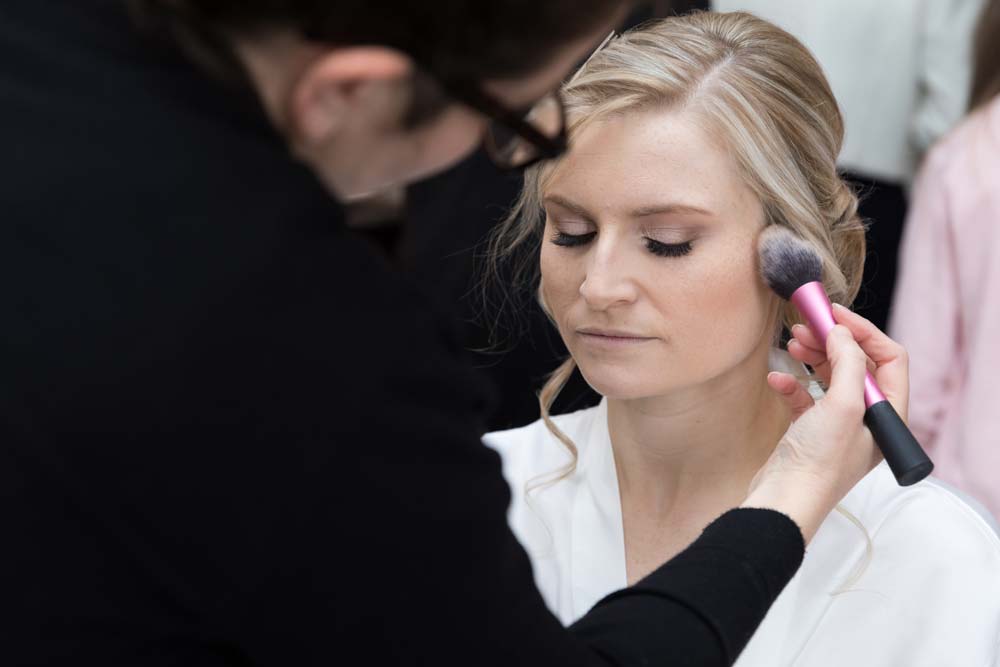
For a professional headshot, makeup should look natural and subtle, enhancing your features rather than changing how you normally look. The goal is to look like the best version of yourself on a good day, not dramatically different from how clients or colleagues would recognise you in real life.
Tips for makeup in a headshot:
- Aim for natural, polished makeup rather than heavy or dramatic looks.
- Use matte or light powder to reduce shine.
- Choose neutral lip colours and soft eye makeup.
- Avoid overly glittery or reflective products.
- If you don’t normally wear makeup, keep it minimal.
- Bring powder to the shoot for quick touch-ups if needed.
The most important thing is that your headshot still looks like you, just slightly polished for the camera.
I partner with a fabulous make-up artist called Victoria Chainey, who can help with make-up for your professional headshot.
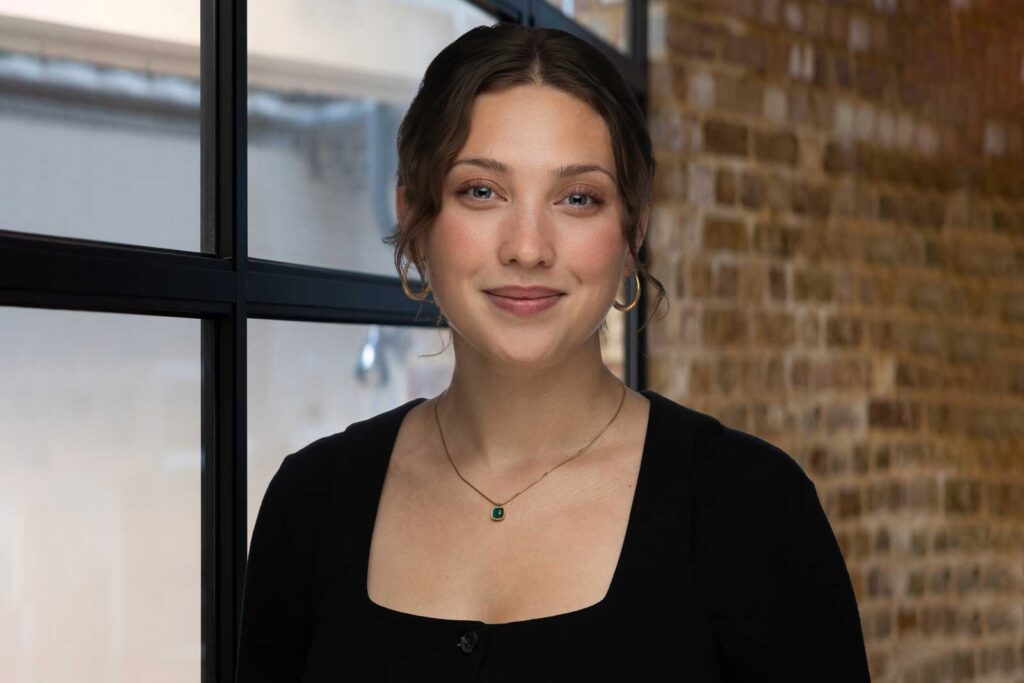
Jewellery can work well in a headshot, but it should be simple and subtle so it doesn’t distract from your face. Large, shiny or statement pieces can draw attention away from the purpose of the image, which is you.
Jewellery tips for headshots:
- Choose small, simple pieces.
- Keep jewellery minimal and understated.
- Avoid very shiny or reflective pieces that catch the light.
- If jewellery is part of your personal brand, choose one statement piece as a focus point.
In most cases, jewellery should complement your look, not dominate the photo.
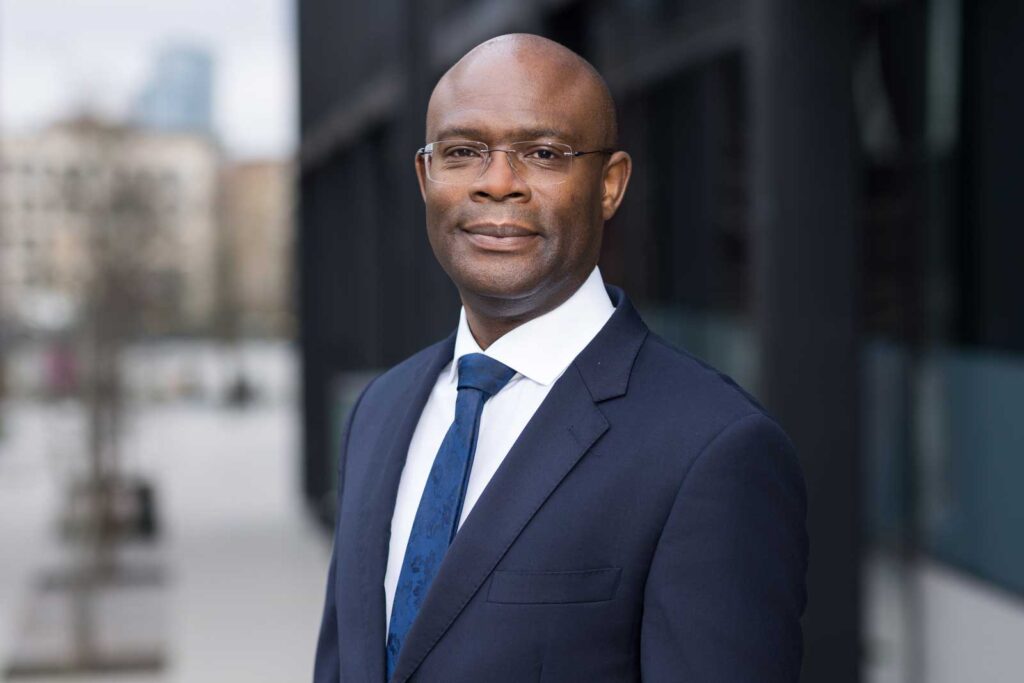
If you normally wear glasses when meeting clients or colleagues, it’s usually best to wear them in your headshot so the image reflects how people recognise you.
Tips for wearing glasses in a headshot:
- Wear glasses if you usually wear them in daily life.
- Make sure lenses are clean and free from smudges.
- Avoid reflective lenses if possible.
- If being photographed outside, avoid reactive lenses that hide your eyes in bright light.
- Choose frames that don’t cover your eyes.
A good headshot should represent how people actually see you, so consistency matters.
The best headshot poses are natural, confident and relaxed. Small adjustments to your posture, body angle and facial expression can make a big difference in how professional and approachable you appear. I will guide you during your session, but understanding a few simple posing basics can help you feel more comfortable and look your best on camera.
How to pose for a professional headshot:
- Stand or sit with good posture, keep your back straight and shoulders relaxed to convey confidence.
- Turn your body slightly away from the camera rather than facing it directly, as a small angle is usually more flattering.
- Relax your shoulders and hands so your pose doesn’t look stiff or tense.
- Use your eyes to connect with the camera. Strong eye contact helps communicate confidence and approachability.
- Smile naturally to create a friendly, authentic expression rather than a forced one.
Ultimately, the best headshot poses happen when you feel comfortable and relaxed. Small adjustments to posture, angle and expression can help create a photo that feels natural, professional and true to your personality.
This article explores my top tips on how to pose for a professional headshot:
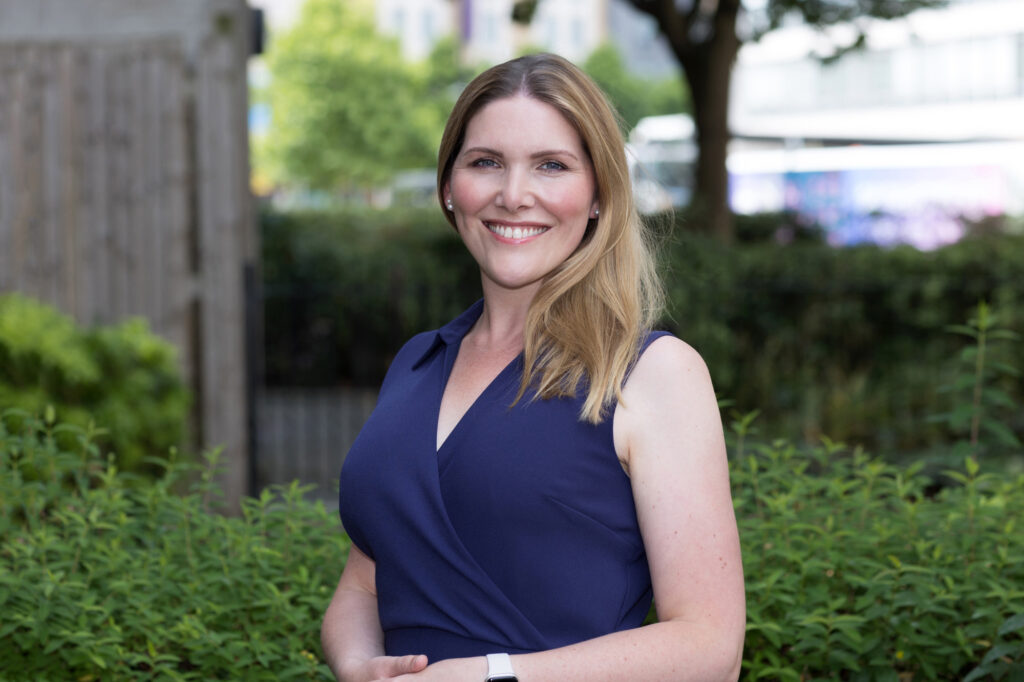
Yes, in most cases, you should smile in a professional headshot. A natural, relaxed smile helps you appear approachable, confident and trustworthy. The key is choosing an expression that reflects your personality and the impression you want to give. Some professions may suit a warm, friendly smile, while others may prefer a more neutral or confident expression.
Tips for smiling in a professional headshot:
- Aim for a natural, relaxed smile rather than a forced one.
- Think of something positive to help create a genuine expression.
- Allow your eyes to smile as well as your mouth for a more authentic look.
- Keep your jaw relaxed and shoulders loose to avoid looking tense.
- Try a few different expressions, from a subtle smile to a broader one.
A good headshot should capture a version of you that feels both professional and authentic. For many people, a warm smile helps create a connection with the viewer and makes the image feel more engaging.
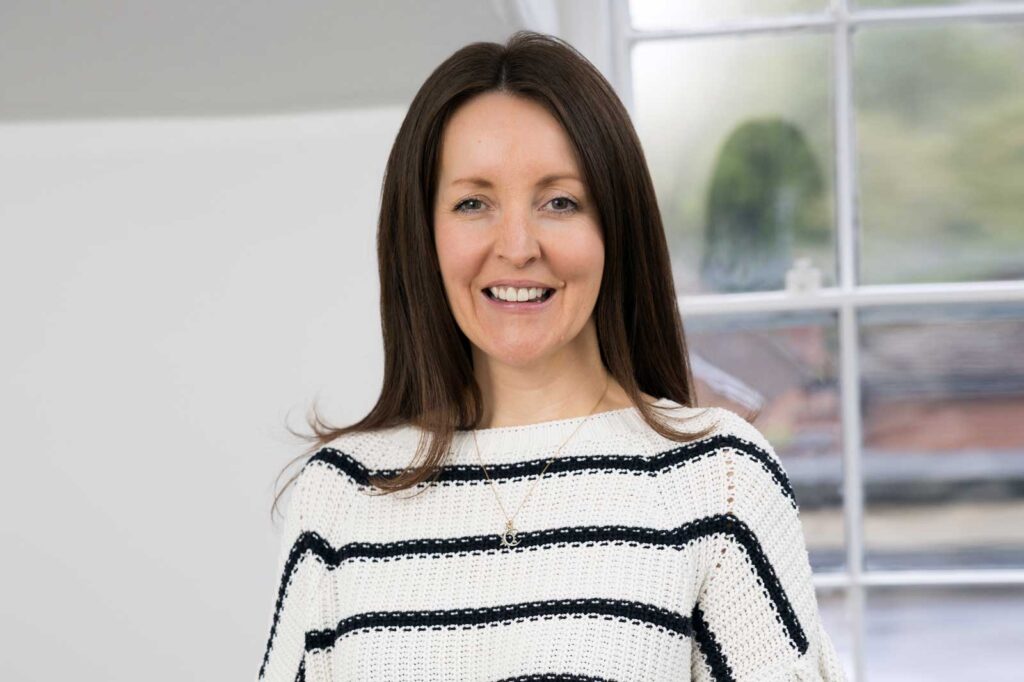
Many headshot mistakes come down to small details that distract from the main focus of the image, you! Clothing choices, posture, lighting and expression can all affect how professional and approachable your photo appears. The best headshots feel natural, confident and aligned with your personal brand, while avoiding elements that pull attention away from your face.
Common mistakes to avoid in professional headshots:
- Wearing busy patterns or distracting clothing that draws attention away from your face.
- Choosing colours that don’t photograph well, such as neon tones or shades too close to your skin tone.
- Wearing clothes that are too tight or too baggy, which can look awkward on camera.
- Poor posture, such as slouching shoulders or standing stiffly.
- Facing the camera straight-on rather than slightly angling your body for a more flattering pose.
- Holding tension in your face or shoulders, which can make the photo feel unnatural.
- Forcing a smile instead of a relaxed, genuine expression.
- Too many accessories or large jewellery that distracts from your face.
- Choosing trendy clothing styles may quickly date your headshot.
A strong professional headshot should look polished but natural. Avoiding these common mistakes helps ensure your photo feels authentic, professional, timeless & will last you for several years.
Leading into the final question & the final tips for your professional headshot…
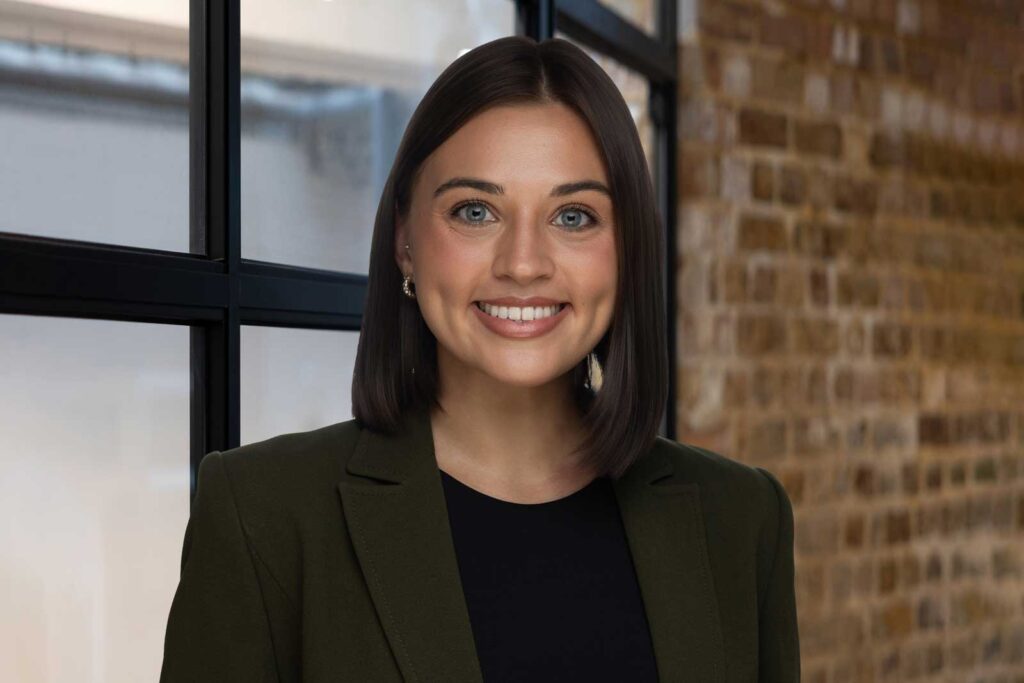
A strong professional headshot should look polished but natural.
As a general rule, it’s a good idea to update your professional headshot every 2–3 years, or sooner if your appearance, role or personal brand has changed. Your headshot should reflect how people recognise you today, helping maintain trust and consistency across your website, LinkedIn and other professional platforms.
When you should update your professional headshot:
- Every 2–3 years, to keep your image current and professional.
- If your appearance has noticeably changed (hairstyle, colour, glasses, etc.).
- When you change jobs, roles or industries.
- If your brand or business positioning evolves.
- When your current headshot looks outdated compared to modern photography styles.
- If your photo no longer reflects how you present yourself to clients.
A good headshot should represent the current, confident version of you. Keeping it up to date helps ensure your online presence remains professional, trustworthy and aligned with your personal brand.
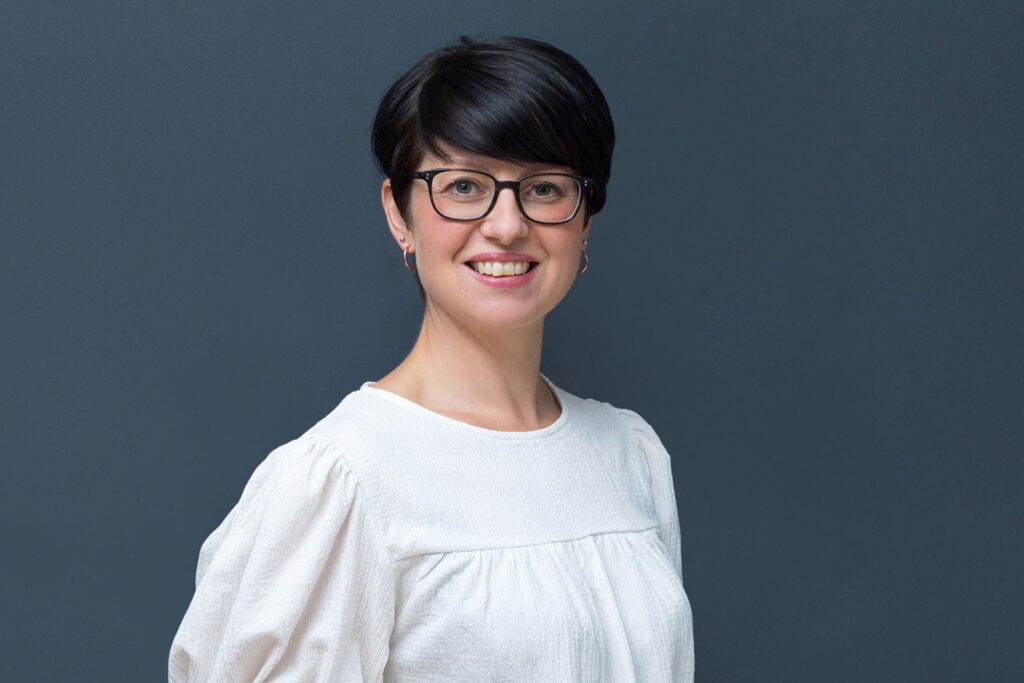
Hi, I’m Ally
A professional headshot and branding photographer working across Croydon, London, Surrey, Kent and the South East.
With over 15 years of experience, these professional headshot tips come from the questions I’m asked most often by clients. My aim is always to make the process feel relaxed and straightforward, supporting you every step of the way so you leave with a headshot that feels natural, confident and truly represents you.
If you’re planning a professional headshot and have a question that isn’t covered here, feel free to get in touch. I’m always happy to help.
You can also learn more about my professional headshot sessions in Croydon, London & Surrey here:
Do you have a question I haven’t answered?
I’ve covered a lot in this article on the top tips for your professional headshot, but if you have a question I haven’t answered, feel free to ask me here!